Galvanized Wire vs Stainless Steel for Handles in a Damp Shed
When reclaiming packaging materials for storage solutions in damp environments like sheds, the choice of wire for handles is crucial. Handles not only provide functionality but must also bear loads reliably over time without corroding or failing. Two common contenders for such jobs are galvanized wire and stainless steel wire, specifically AISI 304 stainless steel. This post explores their strengths, weaknesses, and how to make each option trustworthy for your DIY reclaimed packaging projects.
Why Handle Materials Matter in Damp Sheds
Think about the handles on storage crates and boxes as the "spines" of a library's heavy reference books — they have to bear weight repeatedly without snapping, bending, or rusting away. In a damp shed environment, moisture accelerates corrosion, weakening flimsy components quickly. The last thing you want is a sagging, rusty handle that suddenly lets your carefully stacked remedies fall like a toppled bookcase.
Therefore, rust resistance, wire gauge, load capacity, and quality of bends and cuts are key factors. Also, when drilling or anchoring handles, reinforcing the packaging material is critical to prevent rips, much like adding a dust jacket to a valuable old book.
Galvanized Wire: Zinc Coat (10-25 µm) Protection
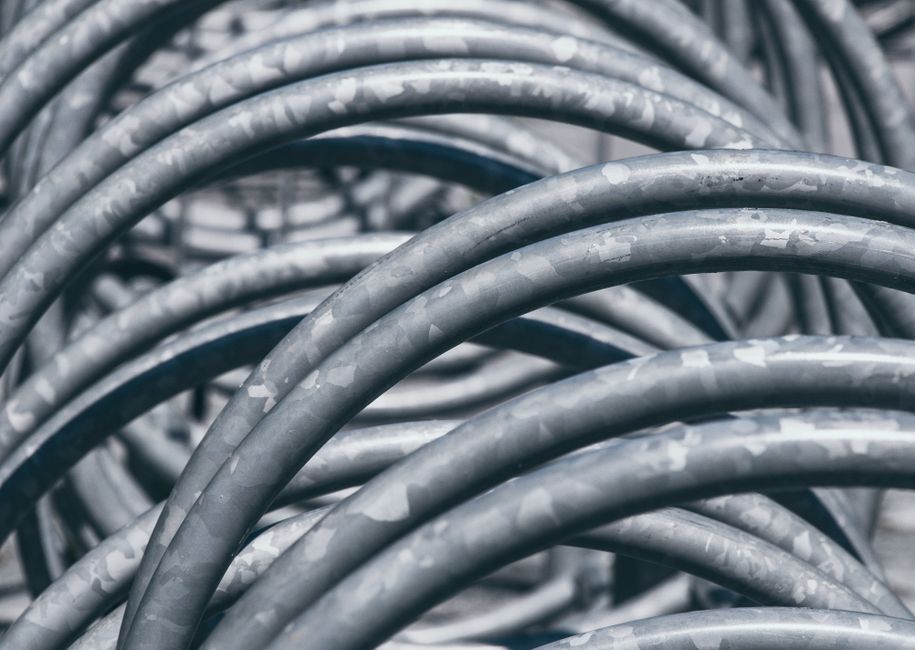
Galvanized wire is carbon steel wire coated in zinc, typically with a thickness ranging from 10 to 25 micrometers (µm). This zinc layer offers sacrificial protection: it corrodes first, shielding the inner steel. Let’s break down its characteristics:
- Rust Resistance: Moderate. Zinc protects the wire surface but wears down in constant dampness.
- Load Capacity: Strong, but less than stainless steel of the same gauge due to potential corrosion weakening over time.
- Cost: Generally cheaper than stainless steel.
- Workability: Easy to bend with parallel-action pliers, although repeated flexing may chip zinc coating, exposing steel to rust.
Choosing the Right Gauge for Galvanized Wire Handles
Wire gauge directly affects load-bearing capacity — thicker wires handle more weight, but add bulk and cost. Here’s a quick reference table based on standard diameter-to-load ratios (with ±1 mm tolerance):
Wire Gauge (AWG) Diameter (mm) Approximate Max Load (kg) 16 1.29 15 14 1.63 25 12 2.05 40For most reclaimed packaging handles, AWG 14 works well, akin to carrying about two crates of paperback books without strain.
AISI 304 Stainless Steel Wire: The Premium Choice
AISI 304 stainless steel wire is an alloy containing chromium and nickel, giving it excellent corrosion resistance, far beyond galvanized steel. This wire resists rust even in prolonged dampness, making it ideal for shed conditions.
- Rust Resistance: High. Chromium oxide layer self-renews for durable protection.
- Load Capacity: Comparable or slightly superior to galvanized wire at equal gauge, without degradation over time.
- Cost: Higher than galvanized wire but justified for long-term durability.
- Workability: Stainless steel is tougher to bend; using parallel-action pliers is essential to get clean, precise bends without kinking or stressing the wire.
Wire Gauge Recommendation for AISI 304
Wire Gauge (AWG) Diameter (mm) Approximate Max Load (kg) 16 1.29 18 14 1.63 30 12 2.05 50Stainless steel AWG 14 is a versatile choice, easily supporting the weight of multiple stacked crates or dense tote bags.
Tools for Clean Bends and Safe Cuts
Proper tool selection can’t be overstated. Rust-resistant wire can still be compromised by bad handling—ragged cuts, sharp burrs, or uneven bends that create stress points and eventually cracks.
Parallel-Action Pliers
Unlike traditional pliers that pinch at an angle, parallel-action pliers keep Browse this site jaws aligned when bending. This preserves the wire’s cross-section and prevents unwanted kinks or flattening. Whether making a handle loop or twist, these pliers provide consistent precision and reduce rework.
Side Cutters
Side cutters offer clean wire cuts with minimal burrs. A clean cut is akin to a clean page edge in those beloved library books—no fraying that lets the whole structure unravel. Don’t settle for scissors or nail clippers that crush or deform the wire ends.
Reinforcing Weak Packaging Materials Before Drilling
Your reclaimed packaging may be cardboard, thin plywood, or even reinforced paperboard. Drilling holes for wire handles without extra support is asking for ragged tears and load failure. This is like forcing a fragile book’s spine to hold twice the pages without re-binding.

- Reinforcement Strategies:
- Glue-on Doublers: Cut patches from scrap cardboard or thin wood to glue around drill points.
- Layered Inserts: Add an internal card or thin panel to sandwich the hole’s edges.
- Pre-drilling Pilot Holes: Use an appropriately sized drill bit to avoid splintering and maintain tidy holes.
- Using Washers or Grommets: Metal or plastic washers distribute tension around the wire entry, reducing localized stress and prolonging life.
Summary Table: Galvanized vs Stainless Steel Wire Handles
Criteria Galvanized Wire (Zinc Coat 10-25 µm) AISI 304 Stainless Steel Wire Rust Resistance Moderate; zinc layer erodes in persistent dampness High; self-healing chromium oxide layer Load Capacity Good, but degrades over time with corrosion Good to excellent, consistent over long term Cost Lower Higher Workability Easy to bend with parallel-action pliers Harder to bend; requires quality pliers for clean bends Best Use Case Short term, budget-conscious shed storage with periodic drying Long term, durable storage in continuously damp shedsFinal Thoughts: Building Trustworthy Reclaimed Handles
Much like constructing a well-organized library shelving system from reclaimed crates and totes, building storage with reliable handles requires attention to material choice, precision tools, and prepping the weak points thoroughly. While galvanized wire offers affordability and easy shaping, reusable packaging news its zinc coat (10-25 µm) can wear down in damp sheds, causing rust and eventual failure.
AISI 304 stainless steel wire deserves your investment when you want rust resistance that lasts, cleaner load-bearing capability, and peace of mind during humid or wet conditions. Pair it with parallel-action pliers for tidy bends and side cutters for snag-free ends.
Don’t forget reinforcing your reclaimed packaging before drilling—like issuing a hardcover jacket on a paperback—to avoid ragged tears and secure your handle firmly. With these choices, your DIY storage system will hold strong as a trusted lineup of well-loved books on a shed shelf, carrying loads without complaint for years.
Happy building, and may your handles never let go mid-lift!