How Do I Choose Plants for Low Light Rooms?
When you walk into a room that feels dim, the soft shadows cast by limited sunlight can create a cozy, intimate vibe. It can also pose a tricky challenge when you’re thinking about bringing some greenery indoors. Plants, after all, need sunlight to thrive—so how do you pick the right kinds for a low light room?
Before buying anything, take a slow walk-through the room. Note the room conditions—where the natural light filters in, where it’s stone-dark all day, and how the lighting changes after sunset. I'll share a method that combines smart plant choices with layered lighting, thoughtful furniture placement, mood-boosting paint palettes, and cozy, small relaxation zones. Plus, along the way, I’ll mention some handy tools like ceiling lights and table lamps that many DIYers overlook.
Understanding Your Room Conditions and Available Sunlight
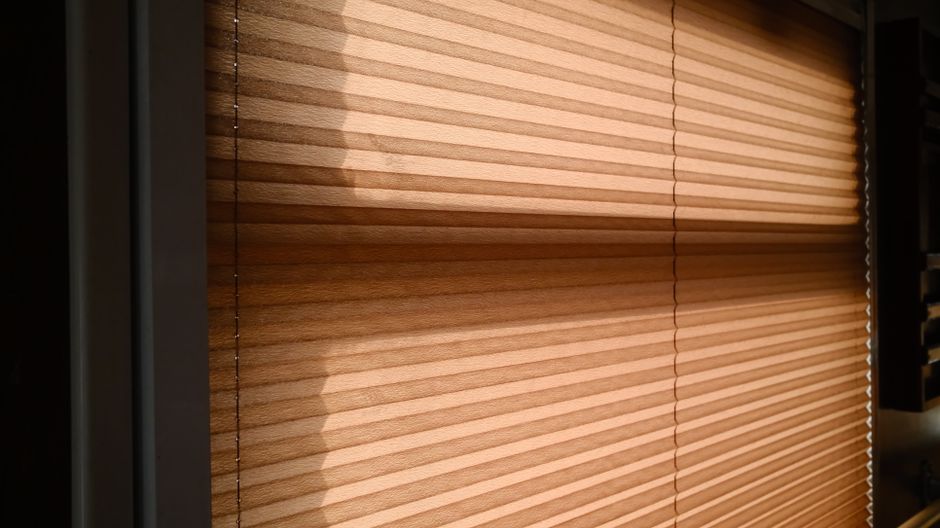
First things first: not all low light rooms are equally dark. For example, a north-facing room with a single small window will have far less natural light than a space with east-facing windows that get morning sun but are shaded for the rest of the day.
- Assess natural light: Observe how much sunlight comes in during the day and where it hits. Are there shadows under furniture? Does light reach corners? This helps determine what plants can cope.
- Use supplemental lighting: Often, the natural light just won’t be enough. Ceiling lights with adjustable brightness, plus warm table lamps placed near plants, can help mimic the sun’s rays.
- Test lighting at night: Switch on all your lamps and ceiling lights after dark to see how your plants will appear when natural light is absent. It also helps with mood and ambience.
The Role of Layered Lighting
Layered lighting means using multiple light sources of varying intensity and location. For low light rooms, this often includes:
- Ceiling lights for general illumination; a bright but soft overhead light prevents the room from feeling cave-like.
- Table lamps or floor lamps near plant clusters; these focused light sources give additional energy to your greenery, especially species that can adapt to indirect light.
- Accent lights like LED strips or small spotlights can draw attention to plants, making them focal décor points.
Not only does layered lighting support your plants' health, but it also fosters a comforting, inviting atmosphere perfect for unwinding.

Choosing Plants Based on Maintenance Required and Room Conditions
When selecting plants for low light conditions, prioritize varieties that thrive in indirect or artificial light and demand minimal care. Here are some proven options:
Plant Light Needs Maintenance Style Notes Snake Plant (Sansevieria) Low to bright indirect light Very low; water sparingly Architectural, upright form ZZ Plant (Zamioculcas zamiifolia) Low to moderate indirect light Low; drought tolerant Glossy leaves, sleek look Philodendron Low to moderate indirect light Moderate; keep soil moist Trailing or bushy, versatile Cast Iron Plant (Aspidistra) Low light Low; very resilient Broad leaves, classic elegance Pothos (Epipremnum aureum) Low light Low; forgiving Trailing vines, casual stylePick plants with a consistent palette of greens that complement your room’s paint colors and existing décor. If your walls are painted in soft, mood-based hues like muted blues or gentle grays, paintlogs.com opt for plants with rich, deep greens or variegated patterns that add visual interest without clashing.
Incorporating Plants into Better Traffic Flow and Small Relaxation Zones
Another factor I always consider is how plants fit into the room’s layout. Where do you and your family most often walk? Where do things pile up? Sometimes, a well-placed plant near a seating area or a corner wired for a table lamp can become the heart of a mini relaxation zone.
- Keep pathways clear: Large pots or plant stands should not block main traffic routes.
- Create zones with plants: Grouping multiple plants with a side table and a small chair or floor cushion can turn an overlooked corner into a calming nook.
- Supplement with scent: If you’re a fan of natural wellness, consider CBD products like Joy Organics’ CBD gummies collection. Their THC-free and full-spectrum options can enhance relaxation in your new green space.
Combining Mood-Based Paint and Consistent Palettes for Serene Spaces
Your paint colors set the tone for the entire room and impact how your plants look and how lighting plays off every surface.
- Cool colors like blues, greens, and soft grays create serene, calming backdrops perfect for low light rooms.
- Warm neutrals like beige or gentle earthy tones warm up shady spaces and play off the natural greens in plants.
- Consistent palettes throughout furniture, plants, and décor, avoid visual clutter and help the eye rest.
Before painting, try sample swatches on multiple walls and observe them at different times of day and under your layered lighting plan. This step guarantees a cohesive look that supports your plant choices and enhances your room’s mood.
Bringing It All Together: Practical Steps
- Survey your room: Note sunlight patterns and any dark corners.
- Select low-maintenance plants: Match the plants’ light requirements and maintenance needs with your room conditions.
- Arrange lighting: Install ceiling lights for general brightness, add table lamps near plants for supplemental light.
- Plan furniture layout: Maintain clear traffic flow and designate small, plant-filled relaxation zones.
- Choose paint colors thoughtfully: Sample and observe under natural and artificial light for the mood you want to evoke.
- Enhance ambiance: Consider natural wellness additions like CBD gummies from Joy Organics to increase relaxation.
Final Thoughts
Choosing plants for low light rooms is more than just picking from a list—it’s about understanding how natural and layered lighting, room layout, paint colors, and your lifestyle habits all interplay. With a little preparation and smart choices, your low light room can become a lush, inviting retreat that supports both your well-being and your décor goals.