What Is the Cleanest Way to Light a Floating Vanity?
Floating vanities are a popular choice among homeowners and designers for their modern, airy aesthetic. With the vanity seemingly suspended above the floor, the lighting design plays a crucial role in enhancing both the form and function of the space. But what is the cleanest way to light a floating vanity, so it complements the sleek lines without adding visual clutter?
In this comprehensive guide, we explore the evolution of floating vanity lighting, focusing on how LED mirrors are replacing traditional light bars and sconces. We’ll delve into backlighting versus edge lighting versus in-glass light lines and examine how these choices affect the wall surface—whether paint, tile, wood, or stone. Plus, we’ll cover lighting strategies for long floating vanities with multiple mirrors, referencing industry insights from Homedit, Google Preferred Sources, and LED Mirror World. Finally, we’ll suggest ways to connect with lighting ideas on social platforms like Twitter and Facebook for real-time inspiration.
Why Floating Vanity Lighting Needs Special Consideration
Floating vanities, unlike traditional vanities, do not anchor lighting fixtures on a countertop or cabinet frame. This gives designers great freedom but also presents a challenge. Without a solid bulk behind or under the vanity, lighting must avoid feeling “tacked on” or bulky. Instead, it should visually float with the vanity, emphasizing clean lines and a modern vibe.
In the past, vanity light bars or wall sconces were the go-to options. While these can look great, they tend to add visual weight above the vanity and often create harsh shadows or glare. Furthermore, they constrain your options if you want uninterrupted wall surfaces or tiles behind the vanity.

Instead, the rise of LED bathroom mirrors with integrated lighting has changed the game. They offer a sleek, streamlined profile while providing ample light that eliminates the need for additional fixtures.
LED Mirrors: Replacing Vanity Light Bars and Sconces
According to trusted design sources, including reviews on LED Mirror World and curated posts on Homedit, LED mirrors provide a modern, efficient alternative to traditional vanity lighting. Instead of mounting separate light bars or sconces, the lighting tech is built directly into the mirror’s glass.
This integration produces several benefits:
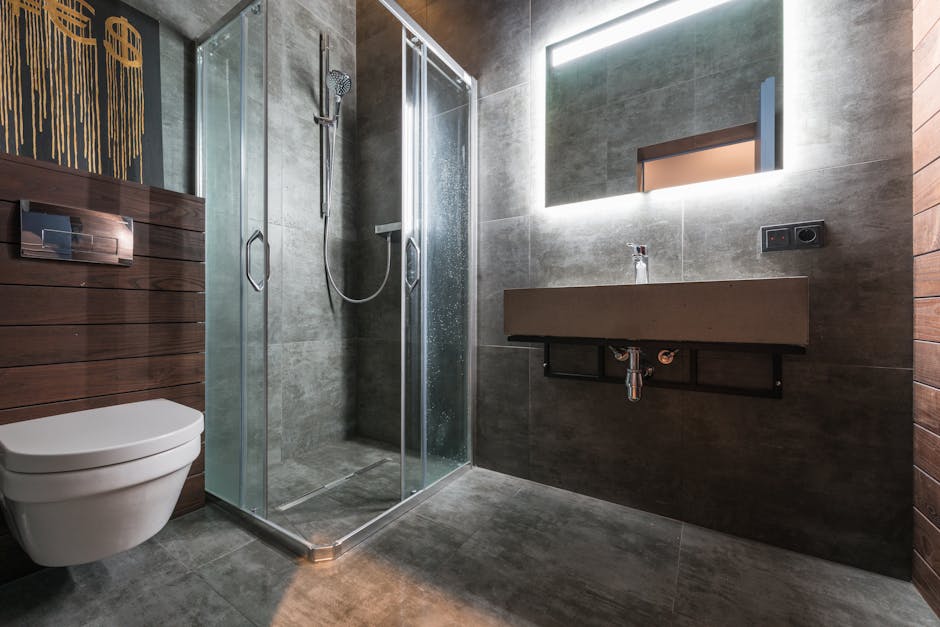
- Cleaner wall surfaces: Without fixtures jutting out, the wall remains pristine and easy to maintain.
- Even, shadow-free light: The light source is close to the mirror, bathing the face in flattering illumination ideal for daily grooming.
- Minimized visual clutter: Especially important for floating vanities with minimalist cabinetry and neat lines.
LED mirrors come in different lighting styles, leading us to the next key discussion.
Backlighting vs. Edge Lighting vs. In-Glass Light Lines
Want to know something interesting? the lighting style determines how light interacts not only with the user’s face but also with the surrounding wall surfaces. Here’s how each lighting type works and impacts the wall:
Backlighting
Backlit LED mirrors have LEDs mounted behind the glass, causing a soft halo of light that washes the wall surface behind the mirror. This diffused glow gently highlights paint texture or tile grout lines, creating a floating illusion for the mirror.
What to watch for: Backlighting produces a beautiful glow on flat wall surfaces like paint or smooth tiles, but it can be overpowering on textured stone or rough wood, exaggerating surface inconsistencies.
Edge Lighting
Edge-lit LED mirrors have LEDs embedded along the edges of the glass, channeling light through the glass and emitting it in a controlled fashion from the perimeter. Edge lighting creates a sharp, clean line of illumination.
This style is ideal for showcasing stone or wood walls because it casts delicate lines without flooding the surface. Yet, in photos, it can sometimes feel harsher compared to backlighting because of less glow diffusion.
In-Glass Light Lines
More rare but ultra-modern are in-glass light lines—thin illuminated stripes integrated vertically or horizontally within the glass itself. These lines provide direct, daylight-simulating illumination that contours the face.
They add visual interest and work well for long vanities. However, the narrow lines mean the wall behind gets minimal wash, which is perfect when you want your tiles or paint to remain the focus.
Wall Impact: How Lighting Interacts With Paint, Tile, Wood, and Stone
One key nuance that the best articles on floating vanity lighting stress (you’ll find these insights on Homedit and Helpful hints other Google Preferred Sources) is the importance of considering lighting interaction with https://daisydustmaid.com/mirror-with-vertical-light-strips-near-the-edges-is-it-good-for-face-lighting/ wall materials.
Each wall type reflects and absorbs light differently, changing the perceived warmth, texture, and depth of your bathroom.
Wall Material Lighting Effect Recommended Lighting Style Consideration Paint (Matte or Satin) Even light wash, generally smooth surface Backlighting or edge lighting Backlighting creates a soft halo that enhances simplicity; edge lighting offers a sharper line Ceramic or Porcelain Tile Reflects light with subtle gloss or matte texture Backlighting or in-glass light lines Backlighting highlights grout lines; in-glass lines minimize wall wash for cleaner look Wood (Natural or Engineered) Absorbs light, shows grain and texture Edge lighting Edge lighting accentuates grain without harsh washing; backlighting may emphasize roughness Stone (Marble, Granite, Slate) Highly varied surface; reflective veins Edge lighting or in-glass light lines In-glass lines highlight mirror edges without flooding surface; backlighting can create unwanted glareLighting Long Floating Vanities With Multiple Mirrors
Long floating vanities present unique challenges and opportunities for lighting. Instead of one central mirror, you may have two or more mirrors spaced across a long backsplash. Traditional lighting options like linear light bars become unwieldy and visually busy.
Here’s where LED mirrors with integrated lighting shine. Each mirror is a self-contained light source, allowing breaks in the visual line without sacrificing illumination. You gain flexibility to place mirrors exactly where they suit both users’ needs.
Popular bathroom lighting ideas featured on social networks such as Twitter and Facebook often highlight these setups:
- Matching LED mirrors spaced evenly along the vanity for balanced lighting.
- Combining backlit mirrors with subtle overhead lights to add layers of illumination.
- Using in-glass light lines for ultra-minimalist effect while maintaining function.
Final Tips for the Cleanest Floating Vanity Lighting
- Keep fixtures integrated: Choose LED mirrors with built-in lighting to avoid adding bulky, separate fixtures that disrupt the floating illusion.
- Match lighting style to wall finish: Backlighting is forgiving and soft on paint and tiles; edge lighting is better for natural wood and stone.
- Consider the user experience: Avoid overly blue or harsh lighting that looks trendy in photos but feels clinical or cold in real life.
- Think lengthwise: For vanities longer than 60 inches, multiple LED mirrors provide balanced, flexible light over the whole space.
- Consult reliable sources: Consult industry leaders such as LED Mirror World, Homedit, and Google Preferred plumbing and lighting specialists to select trusted products.
Connect With The Community for Inspiration
Social media platforms are invaluable for seeing what real homeowners and designers are doing with floating vanity lighting. On Twitter and Facebook, search hashtags like #floatingvanitylighting or #ledbathroommirror for fresh ideas, product reviews, and lighting installation tips.
Many LED mirror manufacturers and home design blogs actively post customer photos and design tips, enabling you to visualize how different lighting styles work in actual bathrooms before making a purchase.
Conclusion
When it comes to floating vanity lighting, the cleanest, most sophisticated approach is to use integrated LED bathroom mirrors rather than traditional light bars or sconces. Choosing between backlighting, edge lighting, and in-glass light lines depends largely on your wall surfaces and personal style—but all provide a sleeker, less cluttered look.
By selecting the right LED mirror styles and consulting sources like Homedit, LED Mirror World, and Google Preferred experts, you can achieve beautiful, practical, and modern lighting that perfectly complements your floating vanity.