Why Do Stone Worktops Slow Down Kitchen Renovations?
Renovating a kitchen in London is an exciting yet complex project, especially when stone worktops are part of the plan. Familiar names in the field like Beams, London Post, and Genesis London often highlight how the choice of worktop material can significantly impact the renovation timeline and overall budget.
Stone worktops, prized for their elegance and durability, commonly slow down kitchen renovations due to project sequencing constraints, particularly the crucial step of templating after units installed. This blog dives into why this happens, the 2026 London kitchen cost ranges you should expect, pitfalls like installed price vs showroom price traps, and where to prioritise your budget.
The Timeline Challenge: Why Stone Worktops Take Time
Unlike laminate or solid wood, stone worktops require precise measurement and fabrication after the kitchen base units are installed and perfectly aligned. This process—called templating—cannot be rushed because the stone is cut to exact dimensions to fit flush with cabinetry, cut-outs for sinks, hobs, and edges.
Templating After Units Installed
Templating usually happens once all base cabinets are securely installed and the plumber’s and electrician’s work is ready to accommodate the worktop hardware. Only then can a specialist template the entire surface, which a skilled fabricator uses to cut the stone slabs.
Importantly, this is the only moment when the final measurements reflect the kitchen’s actual, potentially imperfect installation. Skipping or rushing templating leads to costly mistakes, including re-fabrication and delayed installation.
Typical Lead Time: 10 to 15 Working Days
Once templating is complete, the workshop needs roughly 10 to 15 working days to fabricate, finish, Discover more here and polish the stone. This lead time is often unavoidable and must be carefully planned within the broader project sequence.
For companies such as Beams and Genesis London, understanding this timeline is critical to managing client expectations and coordinating trades, especially in London’s tight schedules.
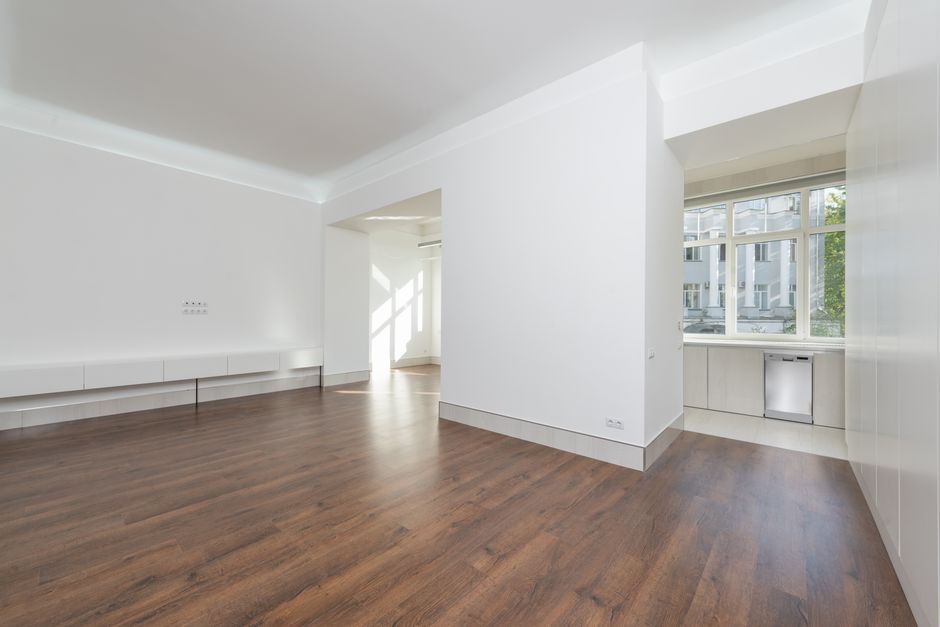
Project Sequencing: How Stone Worktops Affect Kitchen Renovations
In kitchen renovations, sequencing is the orchestration of multiple trades and deliveries to avoid downtime or conflicts. Stone worktops add complexity to this sequence.
- Units Installation: All cabinets, including appliances and plumbing fixtures, must be installed and securely fixed before templating.
- Electrical and Plumbing: Per Building Regulations Part P, notifiable electrical work must usually be completed beforehand. This includes sockets, lighting, and electrical appliances that interface with the worktop.
- Templating and Fabrication: Conducted by specialist subcontractors or the stone supplier, this stage typically requires site access and some clear workspace.
- Worktop Installation: The stone is installed and finished on site, which can take a few days, including setting adhesives and sealing.
Poor planning of these steps can double the project duration or lead to additional costs, especially if delays occur with preceding trades or if access to the property is limited.
2026 London Kitchen Cost Ranges: How Stone Worktops Influence the Budget
Kitchen renovation costs in London in 2026 vary widely but generally fall within these ranges for a typical Victorian terrace or 1930s semi:
Component Typical Installed Price (GBP) Notes Kitchen Cabinets and Units £8,000 – £15,000 Mid to high-end; depends on bespoke options Stone Worktops (Granite/Quartz/Marble) £2,000 – £5,500 Includes templating, fabrication, and installation Appliances £3,500 – £8,000 Including hob, oven, extractor, fridge-freezer Labour (Carpentry, Plumbing, Electrical) £9,000 – £15,000 London premium rates, 3–5 week project duration Other (Lighting, Tiling, Decorating) £2,000 – £5,000 Varies with specificationNote: These prices include VAT at 20%, which applies to most domestic kitchen work. It’s essential to ensure quotes state clearly if VAT is included to avoid unexpected costs.
Installed Price vs Showroom Price Traps
Many homeowners see attractive showroom prices for stone slabs or kitchen units but forget to factor in:
- Transport and Handling — Stone slabs require careful delivery and handling charges.
- Fabrication and Templating Fees — Usually separate from the slab cost, these costs are non-negotiable and add substantially.
- Specialist Labour — Stone installers demand premium day rates, typically without lump-sum labour breakdowns, making it difficult to track.
- Waste Disposal — London boroughs impose charges for large waste, which can be underestimated.
- Access Challenges — Many Victorian terraces and mansion flats have narrow staircases or restricted parking requiring permit suspensions.
Sanity checking quotes by converting stone worktop costs into cost per linear metre is a tip I always recommend. This helps spot unrealistic low quotes that may cut corners or exclude critical work like sealing and edging.
London Premium Drivers: Why Kitchens Cost More
London imposes several “premium drivers” on renovation costs, especially for stone countertops:
- Labour Rates: Skilled trades command higher wages; expect carpenters and stone fitters at upwards of £250-£350 per day.
- Access Restrictions: Congested streets, limited parking, and high-rise flats add time and costs for deliveries and work.
- Waste Disposal: Extra charges for bulky stone waste and careful handling to avoid damage to listed or older properties.
- Older Housing Conditions: Properties often require remedial work or bespoke adjustments increasing labour hours.
Companies like London Post have decades of experience navigating these challenges, advising clients upfront about realistic timelines and budgets, particularly when stone worktops are involved.
Budget Breakdown: Where to Spend and Where to Save
When planning for stone worktops in a London kitchen renovation, it’s crucial to prioritise your budget realistically:

Where to Spend
- Quality Stone & Fabrication: Don’t skimp on reputable fabricators and templating services to avoid costly revisions.
- Experienced Labour: Skilled installation reduces damage risk and installation time.
- Access and Logistics Planning: Budget for parking suspensions, shift deliveries to off-peak hours, and site management.
- Waste Disposal: Arrange upfront with your contractor for disposal costs of stone offcuts and packaging.
Where You Can Save
- Appliance Choices: Consider mid-range appliances with similar performance features.
- Units Specification: Opt for semi-bespoke or standard sizes rather than fully customised cabinetry to reduce unit costs.
- Decorative Elements: Lighting and accessories can be added later or purchased from high-street retailers.
Final Thoughts
Stone worktops bring undeniable style and value to London kitchen renovations, but their installation demands careful project sequencing and allowances for the unavoidable 10 to 15 working days for templating and fabrication after the kitchen units are installed. Overlooking this can stall a project, create cost overruns, and test your patience.
Working with experienced London contractors and designers—such as Beams, London Post, or Genesis London—who understand these nuances and local challenges will pay dividends. Always clarify VAT inclusion, beware of installed vs showroom price myths, and allocate your budget where it genuinely counts.
Armed with this knowledge, your stone worktop kitchen renovation in London will be a rewarding process rather than a prolonged headache.